
Andrology
By Livy-Elcon Emereonye
Every disease causes a state of unease or discomfort through dysfunction, typically manifesting with noticeable signs and symptoms.
In general humans are born as males and females. Nonetheless, in terms of medical services, females seem to get more attention. While obstetrics and gynecology are well-known fields, andrology remains unfamiliar to most.
What does andrology refer to?
Andrology is a medical specialty that concentrates on male reproductive health, including the functioning and issues of the male reproductive system as well as urological conditions specific to men.
It serves as the male equivalent of gynecology, focusing on men’s reproductive health.
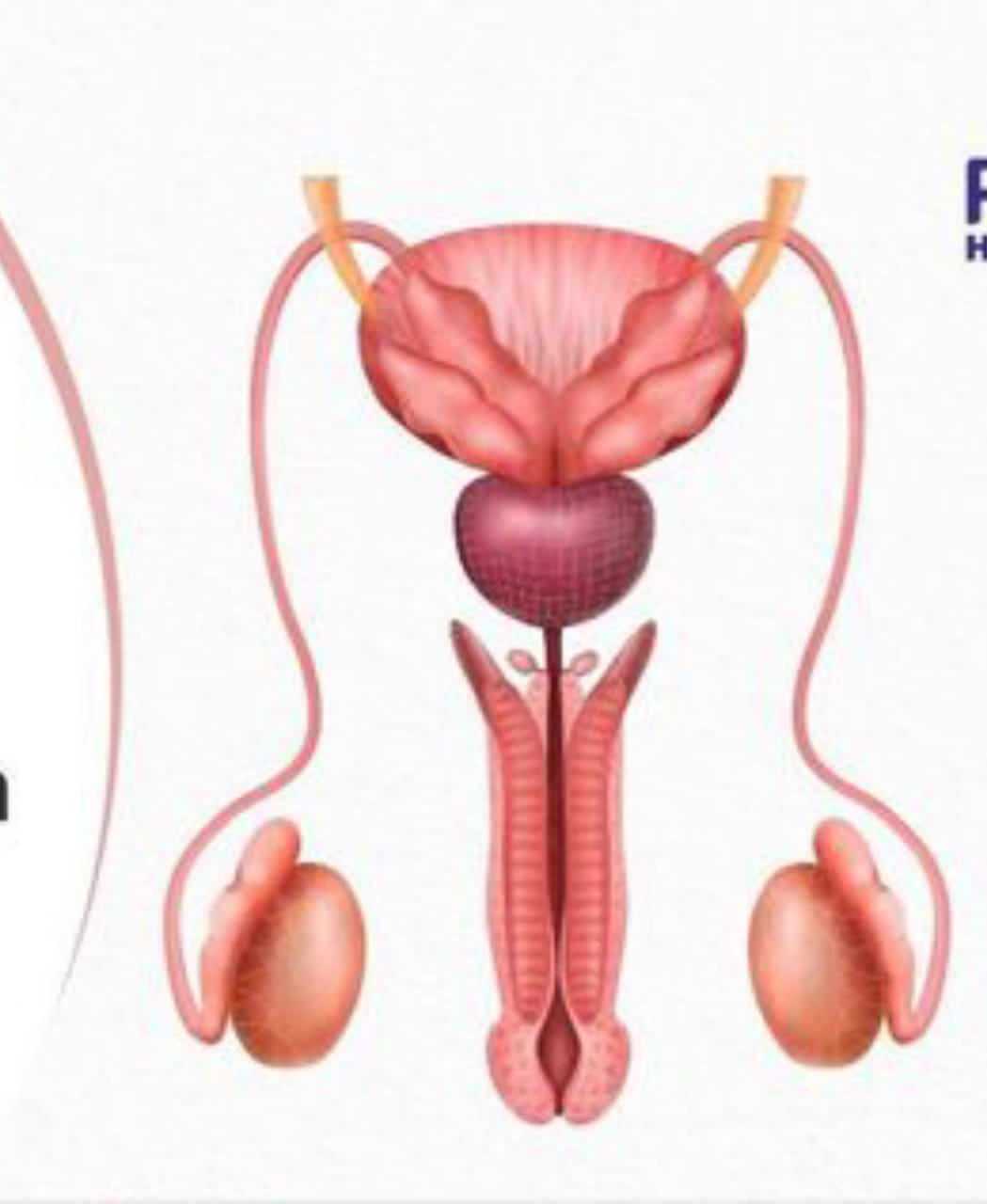
To appreciate andrology, one should understand the male reproductive organs and their roles.
Male Reproductive Organs and Their Functions
The male reproductive system can be divided into external and internal organs:
External Organs:
1. Penis
Functions as the pathway for urine to exit and also assists in delivering sperm into the female reproductive tract during intercourse.
2. Scrotum
A structure resembling a sac that protects the testicles. It manages temperature to facilitate optimal sperm production through contraction or relaxation.
Internal Organs:
1. Testes (Testicles)
Produce testosterone, the main male sex hormone, and play a crucial role in spermatogenesis, which is the process of sperm production.
2. Epididymis
Stores sperm and aids in their development after production in the testes.
3. Vas Deferens
Transports mature sperm from the epididymis to the urethra during the process of ejaculation.
4. Seminal Vesicles
Produce a sugar-rich fluid that supplies energy for sperm and significantly add to the volume of semen.
5. Prostate Gland
Secretes a fluid that nourishes and protects sperm, as well as helps to propel semen through the urethra during ejaculation.
6. Bulbourethral (Cowper’s) Glands
Release a clear mucus-like secrtion that lubricates the urethra and neutralizes traces of acidic urine before ejaculation.
7. Urethra
Conducts both semen and urine out of the body—but never at the same time.
Core Aspects of Andrology
1. Male Infertility
Low sperm count or poor motility
Varicocele
Hormonal imbalances
Obstructions in the reproductive tract
2. Erectile Dysfunction (ED)
Psychological and physical causes
Hormonal deficiencies
Vascular and neurological conditions
3. Testicular Disorders
Undescended testes (cryptorchidism)
Testicular torsion
Testicular cancer
Hydrocele and varicocele
4. Prostate Health
Benign Prostatic Hyperplasia (BPH)
Prostatitis
Prostate cancer
5. Hormonal Disorders
Low testosterone (hypogonadism)
Andropause (male menopause)
Endocrine dysfunctions affecting male reproduction
6. Sexually Transmitted Infections (STIs)
Diagnosis, treatment, and preventive counseling
7. Male Contraception
Vasectomy
Research into hormonal contraceptive methods for men.
Diagnosis and Diagnostic Tools in Andrology
Proper evaluation in andrology relies on a range of diagnostic tools:
Semen analysis
Hormone profiling (testosterone, FSH, LH, prolactin)
Ultrasound of the testes and prostate
Penile Doppler ultrasound
Genetic testing (especially in cases of infertility)
Treatment Approaches
The importance of accurate diagnosis and correct interpretation of test results cannot be overstated.
Treatment in andrology falls under three broad categories:
1. Pharmacological
Hormone replacement therapy
Erectile dysfunction medications
2. Non-Pharmacological
Lifestyle modification
Psychosexual counseling
3. Surgical Interventions
Varicocelectomy
Vasectomy and vasectomy reversal
4. Assisted Reproductive Techniques (ART)
In vitro fertilization (IVF)
Intracytoplasmic sperm injection (ICSI)
5. Herbal Approach
Employing evidence-based herbal solutions to promote male reproductive function
A hint of comedy:
In a lighthearted way, issues related to andrology can turn a ‘Livinus’ into a ‘Livina’!
Stay tuned for the next part…
Be prepared for the upcoming subject: Male Infertility
For any inquiries or consultations, you can get in touch with Dr. Emereonye at:
+234 803 3922 445