

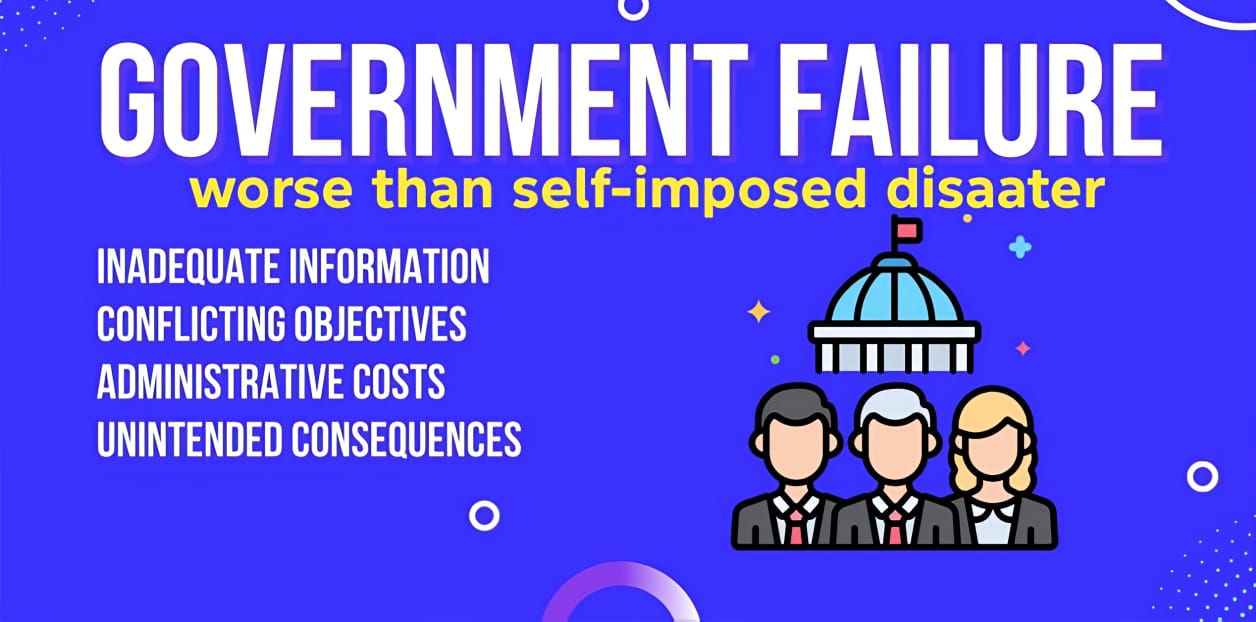
Words are easy to come by, as seen sometimes in politicking and manifestos, but true responsibility reveals one’s competence or lack thereof!
Beyond mere theoretical constructs, dreams are not the same as reality, and practical application differs from theoretical concepts.
Aspiration is the fuel of progress. It lifts individuals and societies from stagnation, ignites imagination, and dares the ordinary to pursue the extraordinary. Yet aspiration, when unmoored from ability, preparation, and character, mutates from virtue into vice. The danger begins when we confuse potential with readiness, when desire is mistaken for competence, and when promotion becomes a reward for loyalty, sentiment, noise, or identity rather than capacity. To promote a man beyond his ability is not an act of kindness; it is a sophisticated form of cruelty—toward the man, the institution, and the society that must bear the consequences.
Ambition lacking ability creates an appealing falsehood that hinders growth and undermines the pillars of progress. Worse than locusts, it impedes and devastates professionalism and growth.
Contemporary culture reveres ambition. We chant that “anyone can be anything,” as though gravity has been abolished. While encouragement has its place, this absolutism erases a crucial truth: not all trajectories are equal, and not all ladders can be climbed safely at the same speed. Ability is not merely talent; it is the convergence of skill, experience, judgment, temperament, and ethical spine. When aspiration outruns this convergence, elevation becomes hazardous.
History is littered with examples of brilliant intentions collapsing under incompetent execution. Offices filled by men who speak fluently but decide poorly; leaders who inspire crowds yet cannot manage processes; professionals crowned with titles they have not earned through mastery. The result is predictable: confusion, erosion of standards, and eventual failure that harms many more than the promoted individual.
Similar to the law of sowing and reaping, the principle of responsibility cannot be ignored, as no one can provide what they do not possess.
Responsibility has considerable implications. Authority amplifies consequences. A small error at the bottom is a lesson; the same error at the top is a disaster. Promoting someone above his or her ability violates a basic law of organizational physics: stress reveals structure, and structure determines function. When pressure comes—and it always does—those elevated without capacity crack, and the fracture runs through systems, not just individuals.
This is why societies that trivialize competence eventually normalize dysfunction. When positions are filled by favoritism, noise, or haste, accountability evaporates. The organization then spends its energy managing the fallout rather than pursuing its mission. Mediocrity becomes institutionalized, and excellence is punished for exposing it.
There will be the compassion that injures whenever competence is sacrificed for exigency with merit traded for favouritism. Not only will good policies be abandoned, but governance will also be diminished to mere social media spectacle.
It is ironic that many individuals have not learned from history, leading them to repeat the same mistakes of the past. It’s disheartening when shrewd opportunists capitalize on this ignorance to receive recognition for the unfortunate events, failing to remember that a clown will always be a clown and a ‘wooden god’ is not different from a mere firewood!
The most dangerous promotions are often justified by compassion. “Give him a chance.” “He will grow into it.” “We must encourage our own.” These sentiments sound humane, yet they can be profoundly harmful. Growth requires scaffolding; it does not occur by dropping a man from a height and calling the fall a learning experience.
To elevate someone prematurely is to set him up for public failure, private anxiety, and moral compromise. Unable to perform, he learns to perform appearances: deflection, blame-shifting, suppression of dissent, and the politics of survival. What begins as encouragement ends as corruption of character.
The institutions pays dearly for every act of conscious compromise – and the people suffer directly and indirectly.
Organizations are memory machines. They remember what they reward. When promotion is divorced from ability, the message is unmistakable: excellence is optional; proximity is everything. Talented individuals disengage or exit. Standards decay. Innovation stalls because incompetence is threatened by clarity.
In public institutions, the cost is multiplied. Incompetent leadership translates into poor policy, wasted resources, and preventable suffering. In medicine, it risks lives. In engineering, it courts catastrophe. In governance, it breeds injustice. The social contract frays not because people lack aspiration, but because systems lack competence at the helm.
More like the tyranny of noise over substance, the society while shadow is being chased!
Our age confuses visibility with value. The loudest voice is mistaken for the wisest; confidence for competence; popularity for preparedness. Social media accelerates this distortion by rewarding performance over proficiency. The man who can trend is elevated over the one who can think. Yet noise collapses under complexity. When the problem deepens, slogans fail – and at such a times the hollowness of power purchased with money manifests.
True ability is often quiet. It is revealed in process design, ethical restraint, and decisions made without applause. To promote beyond ability is to enthrone noise and exile substance.
Merit is not elitism – and competence cannot be feigned
Critics argue that insisting on ability entrenches elitism. This is a false dichotomy. Merit is not about pedigree; it is about preparedness. It is the most democratic principle available, because it invites anyone—regardless of origin—to qualify through learning, discipline, and proven competence. Lowering standards in the name of inclusion does not empower the marginalized; it exposes them to failure and ridicule while preserving the power of those who already manipulate the system.
True inclusion builds capacity before conferring authority – and it strives for empowerment and excellence.
A philosophy of right timing is a true testament that exposure without preparation kills.
Wisdom lies not in denying aspiration but in timing it. There is a season to learn, a season to assist, and a season to lead. Promotion should follow demonstrated mastery under increasing responsibility. Mentorship should precede authority. Evaluation should be continuous, honest, and unsentimental.
Ancient philosophies understood this. Plato feared rule by the untrained. Confucius insisted on moral cultivation before office. African traditional governance systems often required age-grade progression and apprenticeship. These were not barriers; they were safeguards.
The ethical burden of promoters and corrosive effects of mortgaging one’s conscience in pursuit of power is that victim knows he is in bondage but will never make attempts to free himself and fly.
Those who promote bear moral responsibility. Every elevation is a judgment call that shapes lives. To promote above ability is to gamble with other people’s futures. Leaders must resist pressure—tribal, emotional, political—to substitute loyalty for competence. The courage to say “not yet” is rarer than the impulse to say “go ahead.”
Institutions must design promotion pathways that test readiness, not rhetoric. Transparent criteria. Measurable outcomes. Feedback loops that correct rather than conceal error. Without these, promotion becomes a lottery, and leadership a liability.
Aspiration not anchored to ability ability is a fluke that can cause men to menstruate.
In other words aspiration is sacred when it is disciplined. Ability is humane when it is cultivated. The tragedy begins when we sever the two. Promoting a man beyond his ability does not accelerate progress; it sabotages it. It does not empower; it exposes. It does not build confidence; it manufactures fear.
Societies rise when ambition kneels before competence, when dreams submit to training, and when authority is entrusted only to those who have proven they can carry its weight. Beyond aspiration lies responsibility—and beyond responsibility, the quiet dignity of doing the work well.
Not only will a society that relies on the incompetent face deterioration, but also dubious minds and criminal elements within the corridors of power will seize the opportunity to ignite impunity and perpetuate administrative recklessness, as observed today when accountability has become a forbidden topic amid frivolous expensive personal spending!