
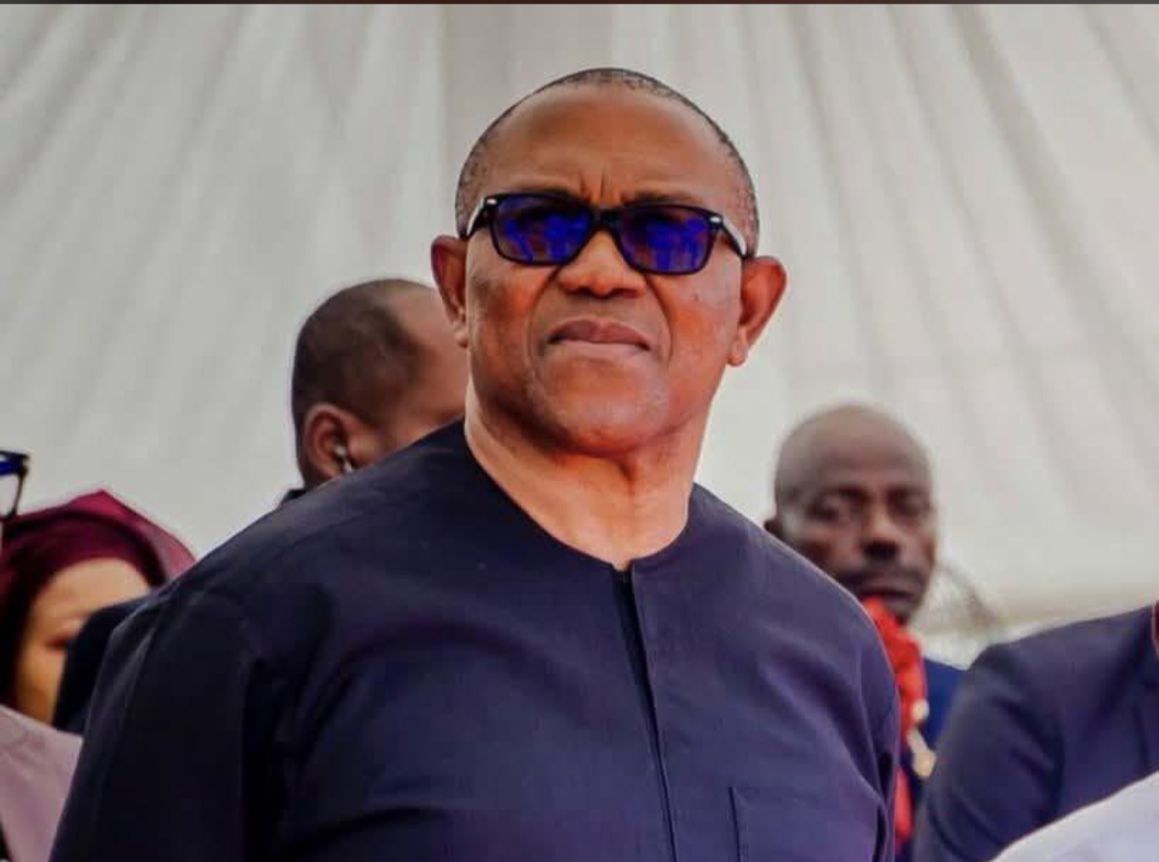
Former presidential candidate Peter Obi has attributed Nigeria’s recent surge in petrol and diesel prices to the country’s lack of strategic planning, warning that global economic shocks rapidly translate into local price spikes.
In a statement on Thursday, Obi pointed to the ongoing US-Iran tensions as a key factor affecting international oil markets. He said, “A few weeks ago, petrol sold for less than ₦1,000 per litre; today it exceeds ₦1,200 per litre. Diesel, previously under ₦1,000, now costs over ₦1,500 per litre. These sharp increases show how quickly external shocks impact Nigeria’s economy.”
Obi noted that most nations maintain strategic petroleum reserves to shield their economies from supply disruptions or price shocks, a measure Nigeria currently lacks. His warning comes as petrol prices reached around ₦1,300 per litre in parts of the country on Monday, following a rise in gantry prices at the Dangote Petroleum Refinery from ₦995 to ₦1,175 per litre, with some stations reportedly selling petrol for as high as ₦1,350 to ₦1,400 per litre.
Economists and members of the Organised Private Sector have cautioned that the price hike could drive inflation across goods and services, forcing businesses to adjust budgets and pricing strategies to reduce the burden on consumers. The OPS also urged the Federal Government to accelerate efforts to expand local refining capacity and implement innovative measures to manage recurring fuel price spikes.
The Nigeria Labour Congress condemned repeated petrol price increases, while global developments, including potential emergency oil releases by G7 nations, were cited as attempts to stabilise international supply.
Obi concluded by calling for structural reforms, stressing, “The old maxim remains true: when a country fails to plan, it has already planned to fail,” underlining the need for long-term strategies to shield Nigeria from global shocks and prevent sudden price surges.