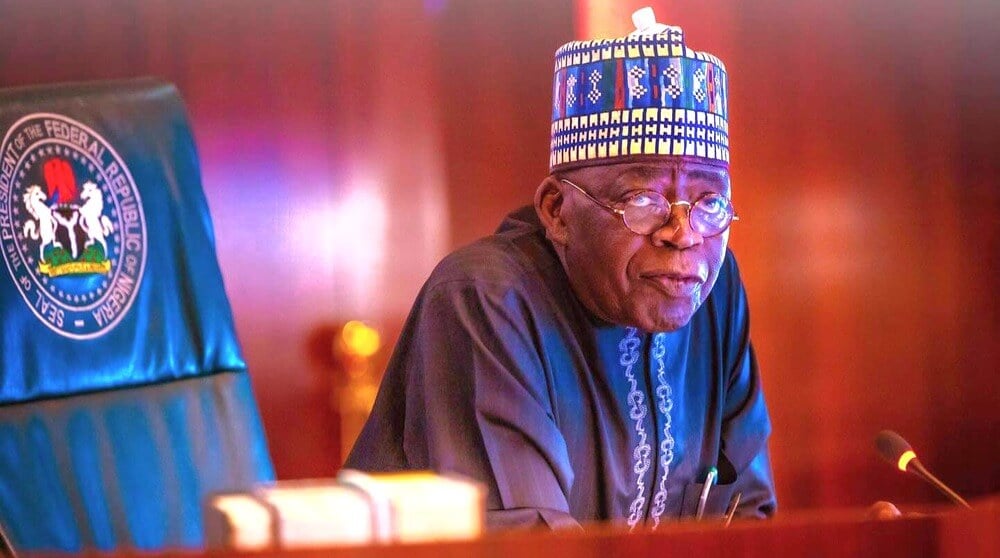
The Many Sins of President Bola Ahmed Tinubu: A Chronicle of Failures and Broken Promises – Maazi Ezeoke
In the two and 8 months since President Bola Ahmed Tinubu assumed office on May 29, 2023, Nigeria has endured a period of profound economic turmoil, rampant corruption allegations, and governance lapses that have exacerbated the nation’s longstanding challenges. While the administration has touted bold reforms as necessary for long-term stability, critics argue these policies have inflicted unnecessary hardship on ordinary Nigerians, deepening inequality and eroding public trust.
This article examines key areas of contention—economic mismanagement, corruption, nepotism, security failures, and human rights concerns—drawing on available data and reports to highlight the administration’s shortcomings. Far from the “renewed hope” promised during the campaign, Tinubu’s tenure has been marked by decisions that prioritize elite interests over the welfare of the masses, leaving millions in despair.
Economic Mismanagement: Reforms That Backfired. One of the administration’s flagship moves was the abrupt removal of fuel subsidies on inauguration day, coupled with the unification of the foreign exchange market. These policies were intended to curb fiscal leakages and attract investment, but they have instead triggered what many describe as Nigeria’s worst cost-of-living crisis in decades. Inflation soared to over 30% in 2024 and remained elevated into 2025, with food prices skyrocketing— a bag of rice reaching N80,000, beans at N120,000, and cement at N7,500 by early 2024.
The naira depreciated dramatically, hitting N1,500 to the dollar by February 2024, and has stabilised a little since.
Critics point to the lack of preparatory measures: no cushions for vulnerable populations, no immediate fixes for refineries, and inadequate wage protections. Unemployment and underemployment rates, already high at around 4-5% officially (though real figures are estimated much higher), worsened as businesses shuttered amid rising costs.
The administration’s borrowing spree has been staggering—accumulating N17.9 trillion more for the 2026 budget alone, pushing national debt to unsustainable levels without commensurate infrastructure gains. Only 30% of the 2025 capital budget was implemented, reflecting inefficiency and misplaced priorities.
Opposition figures have lambasted these reforms as “harsh fiscal policies” that “tax hunger,” warning they could deepen the crisis. Reports from outlets like the Financial Times note that every policy has “backfired,” causing higher inflation and generational economic pain. Meanwhile, global comparisons highlight Nigeria’s struggles: while countries like Argentina and Turkey grapple with 30%+ inflation, Tinubu’s team has been accused of fiscal indiscipline, including lavish spending amid austerity for citizens.
Corruption: Empty Boasts Amid Persistent Scandals. Tinubu has repeatedly claimed his administration eradicated corruption, boasting in 2025 that “there is no more corruption since I took over.” Yet, this assertion has been met with widespread derision. Transparency International’s 2024 Corruption Perceptions Index ranked Nigeria 140th out of 180 countries with a score of 26/100, showing minimal improvement.
Critics highlight “wholesale corruption, reckless borrowing, and elite excesses” under his watch.
High-profile scandals include the handling of foreign loans, with SERAP urging rejection of a $24 billion borrowing request in 2025, citing risks of worsening the debt crisis.
The administration’s anti-corruption efforts, such as bolstering the EFCC, have been selective, targeting opponents while ignoring allies.
Structural fraud persists, with reports of billions in unaccounted loans and wasteful expenditures, like $9 million spent on U.S. lobbying to polish the president’s image amid domestic crises. As one analysis put it, corruption under Tinubu has become a “pressing issue,” with the government fostering an environment of impunity.
Nepotism and Ethnic Bias: Dividing the Nation. Tinubu’s appointments have drawn sharp criticism for blatant nepotism, often dubbed “Yorubanisation.” Over 70% of capital projects and key economic institutions have been skewed toward the Southwest, decimating Northern economies. A stark example is the 2025 Customs cadet officers shortlist: out of 1,785 candidates, only 541 were from the North, while 803 (45%) hailed from the Southwest—more than the entire 19 Northern states combined”@shehu_mahdi
Groups like the Arewa Economic Forum and HURIWA have condemned this ethnic favouritism, arguing it violates federal character principles and tears at national unity.
Such bias extends to security and agency heads, fueling resentment and calls for regional autonomy. This “open nepotism” is seen as inherited from previous administrations but amplified under Tinubu, prioritizing kin over competence.
Security and Human Rights Failures: A Nation Under Siege. Insecurity has worsened, with banditry, kidnappings, and terrorism rampant. Abuja’s kidnapping crisis exemplifies the administration’s lapses, exposing failures in protecting lives and property. Farmers have been displaced en masse, contributing to food insecurity, while non-state actors thrive.
Human rights abuses, including police violations and suppression of dissent, have intensified. The EFCC’s selective enforcement and threats against opposition figures, like in Rivers State, undermine the rule of law.
Elections remain marred by irregularities, with no credible polls under Tinubu’s watch.
Reports from Chatham House and others note executive interference in the judiciary through bribery and threats, eroding institutional independence. Amid this, the government’s response to farmer-herder crises has been opportunistic rather than resolutive.
Social Sector Neglect: Education, Health, and Infrastructure in Tatters. Education and healthcare are in disarray, with no potable water nationwide and a power supply erratic and expensive. Human development indicators have plummeted, with poverty deepening and youth forced into vices due to job scarcity.
Infrastructure gaps persist, with lavish spending on “white elephant projects” while basics like housing remain unaffordable. The UN Women’s report highlights ongoing issues with corruption, human rights violations, and poor economic rights enforcement.
Conclusion: A Legacy of Despair. President Tinubu’s administration has been plagued by policy failures that have deepened Nigeria’s crises. From economic hardship and unchecked corruption to divisive nepotism and security lapses, the data paints a picture of a government out of touch with its people. With millions suffering from hunger, unemployment, and insecurity, the promised renewal feels like a distant mirage.
As opposition voices grow louder, calling for accountability and change, the question remains: How much longer can Nigeria endure these “many sins”? Without genuine reforms, the path ahead looks bleak, demanding urgent introspection and action from leaders and citizens alike.