

The ongoing dispute over the rejection of newly posted House Officers at the University of Calabar Teaching Hospital represents a dangerous trend that, if left unchallenged, threatens the integrity of Nigeria’s federal institutions and the future of her health system. Regardless of denials, counter-claims, or ongoing investigations, the core issue is constitutional and structural.
At the heart of this controversy is a justification, whether earlier reported or implied, that linked the suitability of medical trainees to ethnicity, language, and cultural perceptions. If such reasoning ever guided an institutional decision in a federal teaching hospital, it would constitute a breach of the very foundation of our Republic.
The Constitution of the Federal Republic of Nigeria prohibits discrimination on the basis of ethnicity, language, or place of origin. Federal institutions exist to serve all Nigerians as equal citizens; they are not ethnic preserves nor arenas for sentiments that undermine national cohesion.
From a medical and professional standpoint, the argument collapses under basic facts. Medicine in this country is taught, examined, documented, and practised in English, our official language of instruction and clinical communication. Doctors routinely work in regions where multiple languages are spoken, supported by nurses, clinical assistants, interpreters, and standard operational protocols.
To suggest that trained Nigerian doctors cannot interact with patients outside their ethnic or linguistic group is both factually incorrect and professionally indefensible. If language barriers were a valid basis for exclusion, national medical training and deployment would be rendered impossible.
The claim that a predominantly Efik and Ibibio patient base somehow invalidates the service of medical professionals from other parts of the country does not stand up to scrutiny. Cross River State is not an isolated or linguistically insular space. It has one of the higher literacy rates in Nigeria, consistently estimated around 87.43 %–89.03 % in data spanning from 2017 to 2025.
Cross Rivers is recognised for a strong commitment to education, a vibrant tertiary landscape, and longstanding integration into Nigeria’s federal system. The notion that English-speaking doctors would be ineffective in such an environment is at odds with these documented realities.
More importantly, when an institutional explanation veers into unverified cultural stereotypes or implies collective suspicion of an ethnic group, it does real harm. It undermines public trust in health institutions, it stigmatises professionals on the basis of identity rather than competence, and it deepens the very divisions our national frameworks are designed to manage and overcome.
This is not, and must never be reduced to, a quarrel between one set of citizens and another. It is a test of whether our federal character means anything beyond rhetoric. It is a test of whether Nigeria’s health system will remain merit-based, inclusive, and focused on service delivery rather than parochial preferences.
Housemanship is a cornerstone of a doctor’s career; it should not be held hostage to administrative ambiguity, unverified perceptions, or informal exclusionary practices.
Denials and investigations are necessary, but they are not sufficient. What is required now is clarity, accountability, and a firm reaffirmation that federal institutions serve all Nigerians equally, without fear or favour.
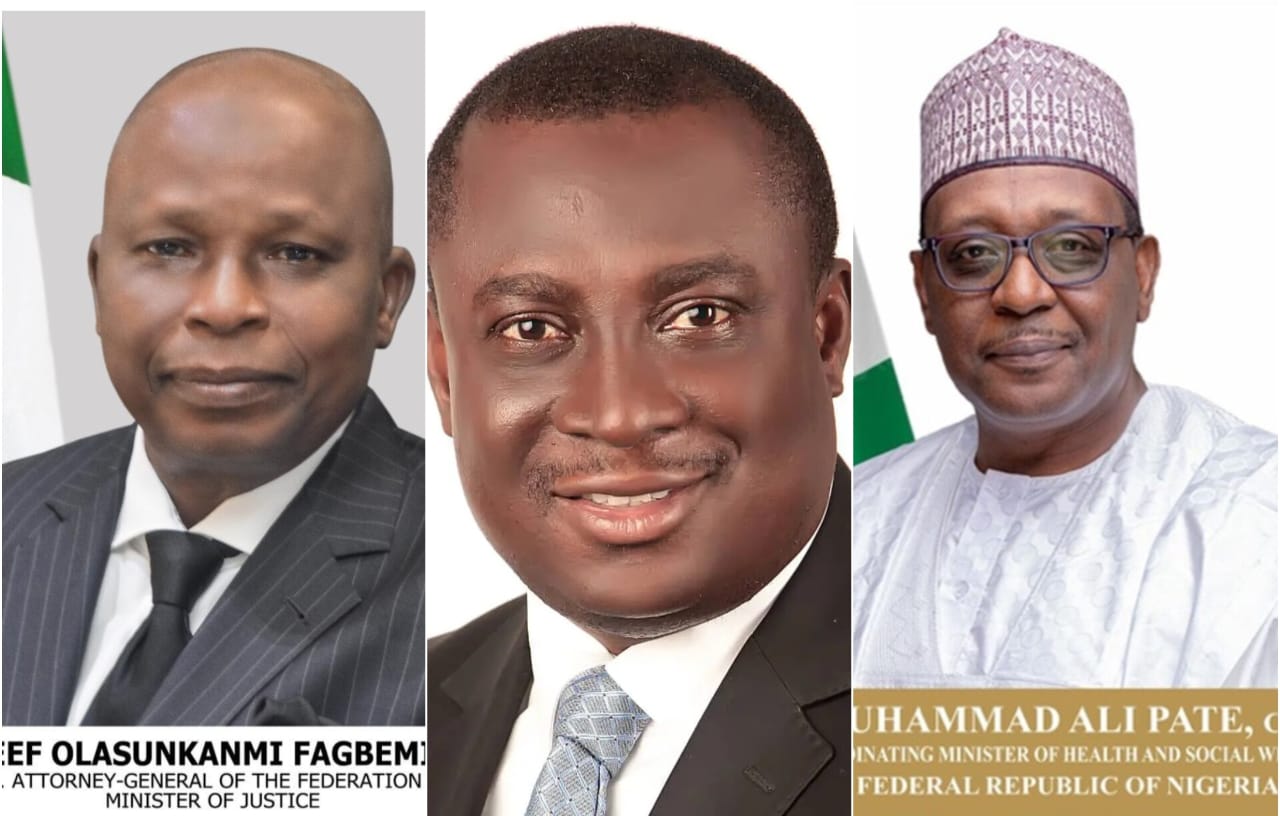
The Minister of Health and Attorney General must reassert, in public, the sanctity of our constitution and reaffirm our national request, prayer and aspiration to “build a a nation where no man is oppressed.”
Anything less will weaken confidence, exacerbate manpower shortages, and drive more young professionals toward disengagement or exit. That is a cost this country cannot afford.
Osita Chidoka
12 February 2026