

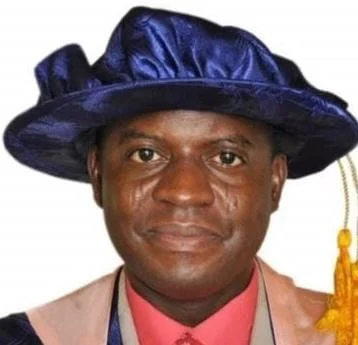
A Professor of Cardiology at the University of Ilorin, Prof. Ibraheem Adeola Katibi, has revealed that a locally developed artificial intelligence-powered system capable of accurately interpreting electrocardiogram readings for Africans is ready, offering a potential breakthrough in cardiovascular diagnosis on the continent.
Katibi,who is the Director of the Central Research Laboratories, University of Ilorin, disclosed this while speaking with The PUNCH HealthWise on Monday in Ilorin.
He explained that the innovation was developed to address long-standing diagnostic errors arising from the use of ECG machines and algorithms designed primarily for Caucasian populations.
“Over the years, our research has shown clear physiological differences in ECG patterns between Africans and other populations such as British, Indian and Chinese,” Katibi said.
“These differences have been published in reputable journals over the last decade. When you use imported machines developed for other races, you are likely to get wrong interpretations, which can lead to misdiagnosis and inappropriate treatment.”
According to him, his research team has now developed both a digital ECG device and an AI-driven diagnostic algorithm specifically trained on African data.
He said the system would allow users to record and interpret ECG readings using a mobile phone, bringing cardiac monitoring closer to ordinary people.
“The device is functional, and the diagnostic algorithm has been validated. What we are looking at now is a larger-scale trial before we can move to commercialisation,” he said.
Katibi added that, when fully deployed, the innovation would enable people to check their heart health at home, similar to how blood pressure and blood sugar are currently monitored.
“In the near future, people will be able to assess their heart status from the comfort of their bedrooms or offices,” he said.
The cardiologist decried the chronic underfunding of research in Nigeria, noting that government allocations fall far below global benchmarks such as those of the United States’ National Institutes of Health.
“We cannot continue to depend on solutions developed abroad for problems that require deep local understanding,” he said.
He also pointed to structural challenges confronting research institutions, including unstable electricity supply, lack of water and inadequate equipment in many laboratories.
“Only sustained and deliberate investment can reposition our research centres and empower scientists to produce solutions that meet national needs,” Katibi said.
Speaking on the migration of Nigerian doctors, popularly referred to as ‘japa’, Katibi said the issue had little to do with competence.
“Our doctors are not leaving because they are not good enough. They leave because the working environment is harsh,” he said.
He listed poor remuneration, insecurity and the inability of many doctors to afford basic tools, transportation and accommodation as key drivers of medical brain drain.
“Nigerian doctors excel abroad because they work in organised systems that reward effort and provide the right support. Labour is global; people will always go where their skills are valued,” he added.
On preventive health, Katibi advised Nigerians to reduce salt and seasoning intake, exercise regularly, get adequate rest and consume more fruits and vegetables.
He warned that individuals diagnosed with hypertension or diabetes must adhere strictly to hospital appointments and prescribed medications.
“Drugs for hypertension and diabetes are usually for life. Patients must not default,” he said.
Katibi also spoke on the integration of traditional and modern medicine, noting that countries such as China, India and Morocco have made economic gains by scientifically refining traditional herbs into safe formulations.
“Nigeria needs to engage traditional medical practitioners better. With proper research and regulation, this can benefit public health and even earn foreign exchange,” he said.
He urged political leaders to prioritise peace, invest in education and health institutions, and commit to adequate research funding, while encouraging citizens to support leadership and make informed electoral choices.