
BABANGIDA’S CONFESSION AND ATONEMENT: QUO VADIS?
By Professor Mike Ozekhome, SAN, CON, OFR, LL.D.
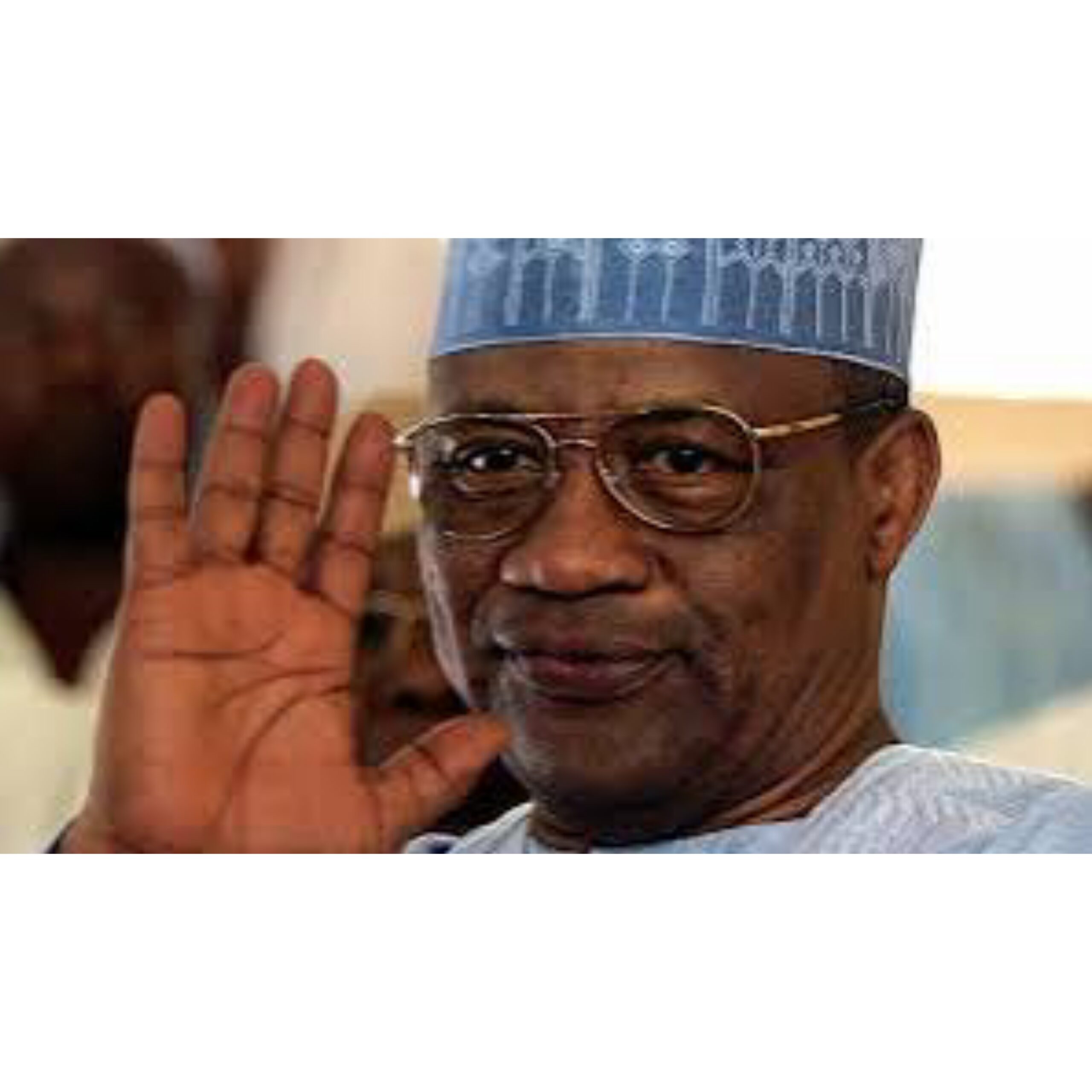
I have carefully read and listened to former Nigerian military president, General Ibrahim Badamosi Babangida’s public remorse and regrets over the atrocious annulment of the June 12, 1993, presidential elections. He did this 32 whopping years later. I want to very quickly say that it takes a man with strong guts and balls and a man who has become repentant, born again, and has seen the face of God to publicly recant his earlier wrongful deeds and offer a public apology to the entire nation. This was no doubt meant to heal gaping wounds and balm wounded and bruised hearts.
The polls, the best, most transparent, and credible elections ever held in Nigeria to date, were meant to end decades of military dictatorship. The annulment threw Nigeria into turmoil and widespread unrest, protests, maimings, and killings. This forced Babangida to “step aside,” leading to the enthronement of Ernest Shonekan’s Interim Government and the arrest and detention of Chief Moshood Abiola, the presumed winner who later died in Aso Villa in questionable and suspicious circumstances. Of course, General Sani Abacha, who was his second in command, later sacked Shonekan in a bloodless coup.
For years, IBB prevaricated on the annulment, claiming he did it in the best national interest. But on Thursday, the 21st of February, 2025, Babangida, during the presentation of his memoirs, “A Journey in Service,” pointedly regretted in public:
“I regret June 12. I accept full responsibility for the decisions taken, and June 12 happened under my watch. Mistakes, missteps happened in quick succession. That accident of history is most regrettable. The nation is entitled to expect my expression of regret.”
And wait for it—he acknowledged for the first time that Abiola won the elections fair and square, trouncing his major opponent, Alhaji Bashir Tofa.
I want to salute Babangida for having the courage and humility to own up like a man—that everything that happened during the June 12 crisis took place under him as the Head of State and the President who was also the Commander-in-Chief of the Armed Forces of the Federal Republic of Nigeria. I salute him for acknowledging that his government, which actually organized unarguably the freest, fairest, and most credible elections in Nigeria’s electoral history—introducing Option A4 from electoral books that were hitherto unknown to Nigeria or the world—unfortunately and regrettably, like he now admits, turned around to annul the same elections in a way that was most bizarre, curious, and unnatural.
To me, that he has come out to open up to doing something wrong and egregious to a bleeding nation should be appreciated. I believe that Nigerians should forgive him because to err is human and to forgive is divine (Eph 4:32). I personally have now forgiven him because I was also a victim of the June 12 crisis.
It threw up all manners of challenges to me as a person, where, in my very youthful age—in my thirties—I found myself marching on the streets of Lagos every day. From Ikeja bus stop roundabout to Ikorodu Road; up to Tejuosho Market; from there to Ojuelegba, Surulere; to Mushin; to Shomolu and Igando, Alimosho. Every day, we were on the streets, protesting the mindless annulment. Some of us were killed in the process; some were lucky enough to escape abroad on self-exile.
But some of us—very few indeed—refused to flee our dear country; we stayed back. We stared at the military eyeball to eyeball. We challenged authority and spoke truth to power. We challenged impunity and repression. I suffered several detentions across different detention centres. I virtually could not find means of livelihood for my youthful family because I was profiled, my phones bugged, and no briefs were coming in. But I personally forgive him because it takes tons of guts to make a public confession of having erred and atone for the same as he has now done.
It is confession that leads to penance, and penance leads to restitution and then forgiveness. If Babangida were to die today, I believe that he would see the face of God because he has prayed to God to forgive him, and he has prayed to Nigerians to forgive him.
Beyond that historic and epochal mistake of the annulment of the June 12 election, which constitutes his original sin, let me place it on record that Babangida is one of the greatest presidents that Nigeria ever had in terms of his ingenuity, rulership mantra, and ideas for national resurgimento—ideas that contributed greatly to nation-building. These were aside from the IMF-induced loans and pills, which he introduced and which we again valiantly fought against successfully.
Babangida it was who gave birth to the Federal Capital Territory and laid the solid foundation for virtually everything you see there today. His government was peopled by intellectuals and not by half-illiterates and quacks. He recognized and used intellects. He was luminous, and he built bridges of understanding, friendship, and brotherhood across Nigeria.
Nigerians, please accept IBB’s confession and forgive him his sin of annulling the June 12, 1993, elections. Let the wounds heal; let the heart melt; and let the spirit of national triumphalism prevail.