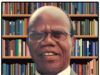


Renowned Kenyan writer and scholar, Ngũgĩ wa Thiong’o, has died at the age of 87 in the United States. Born on January 5, 1938, in Kamiriithu, Kenya, Ngũgĩ rose to prominence as one of Africa’s most influential literary voices, known for championing African languages and cultural identity.
Ngũgĩ began his literary journey writing in English, debuting with Weep Not, Child in 1964 — the first English-language novel by an East African. He later chose to write in his native Gikuyu, emphasising the importance of preserving African languages and resisting colonial legacies.
His critically acclaimed works include The River Between, A Grain of Wheat, Petals of Blood, and Wizard of the Crow. He also authored powerful essays such as Decolonising the Mind, which became a cornerstone of post-colonial literature.
In 1977, his Gikuyu play Ngaahika Ndeenda led to his imprisonment without trial by the Kenyan government. During his time in prison, he famously wrote Devil on the Cross on toilet paper. Following his release, Ngũgĩ lived in exile, teaching in major universities including Yale, NYU, and the University of California, Irvine.
Ngũgĩ wa Thiong’o leaves behind a lasting legacy of resistance, cultural pride, and literary brilliance. He is survived by his wife, Njeeri, and children, including writers Mũkoma wa Ngũgĩ and Wanjiku wa Ngũgĩ.