

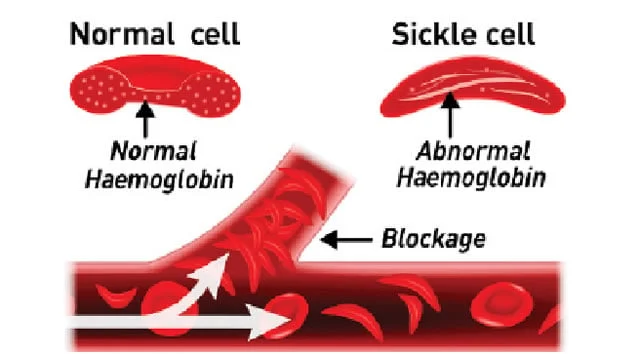
Sickle cell disease (SCD) remains one of the most neglected non-communicable genetic disorders in global health, despite its high prevalence and devastating impact in sub-Saharan Africa. While biomedical advances have improved survival in high-income countries, millions of patients in low-resource settings continue to suffer recurrent pain crises, infections, organ damage, and premature death. The persistence of suffering in SCD may not be merely a biological inevitability but a consequence of policy neglect, therapeutic reductionism, and the marginalization of integrative and traditional medicine.
When a Genetic Disorder Becomes a Moral Failure
Sickle cell disease is often described as a “genetic accident.” This framing is convenient but dishonest. Genes may initiate the disease, but systems perpetuate the suffering. In countries like Nigeria—home to the largest population of people with SCD—the condition has become a chronic humanitarian crisis hidden in plain sight. Pain crises are normalized, childhood deaths are underreported, and adults with SCD are expected to survive on resilience rather than rights.
Modern medicine has reduced SCD management largely to pain control, infection prevention, blood transfusion, and hydroxyurea therapy. While valuable, this narrow biomedical approach ignores the broader physiological, nutritional, immunological, and psychosocial terrain in which sickle cell pathology unfolds.
The Burden of Sickle Cell Disease: More Than Pain
SCD is characterized by chronic haemolytic anaemia and episodic vaso-occlusion, but its real burden extends further:
– Persistent inflammation and oxidative stress
– Recurrent infections due to functional asplenia
– Progressive organ damage (kidneys, lungs, brain, bones)
– Growth retardation and delayed puberty
– Psychological trauma, depression, and social exclusion
Yet health systems respond episodically—treating crises rather than supporting resilience.
Biomedical Orthodoxy and Its Limits
The dominant model of sickle cell care prioritizes crisis intervention over physiological optimization. Pain is treated aggressively, but oxidative stress, micronutrient depletion, immune dysfunction, and chronic inflammation receive far less attention.
Moreover, access to hydroxyurea, safe blood, and comprehensive care remains inequitable. The result is a paradox: a disease that is well-described but poorly lived with.
Why Integrative Medicine Matters in Sickle Cell Disease
Integrative medicine does not reject orthodox care; it challenges its exclusivity. SCD is a multisystem disorder, and its management demands a multidimensional therapeutic philosophy.
Key rationales for integrative approaches include:
– High oxidative stress in sickled red blood cells
– Chronic low-grade inflammation
– Immune vulnerability
– Nutritional deficiencies common in patients
– Cultural reliance on traditional medicine in Africa
Ignoring these realities does not make them disappear—it merely drives patients to unregulated alternatives.
Woriovit®️: A Case for Evidence-Based Herbal Remedy
Woriovit®️ represents a class of structured herbal formulations designed for the management of sickle cell diseases. It supports physiological balance rather than replace conventional therapy.
Key Integrative Advantages of Woriovit®️
1. Antioxidant Support
Oxidative stress accelerates red blood cell damage in SCD. Herbal formulations rich in bioactive phytochemicals may help counter free radical injury and support red cell stability.
2. Immune Modulation
Patients with SCD are prone to infections. Traditional medicinal plants have long been used to support immune responsiveness, potentially reducing infection frequency when used responsibly.
3. Anti-inflammatory Effects
Chronic inflammation worsens vaso-occlusion. Herbal agents with anti-inflammatory properties may contribute to reducing baseline inflammatory load.
4. Nutritional and Hematinic Support
Many herbal formulations provide trace minerals and plant-derived nutrients that support haemopoiesis and general vitality.
5. Cultural Acceptability and Adherence
In African contexts, therapies that resonate culturally often enjoy better adherence, an underappreciated determinant of outcomes.
The Real Problem: Scientific Silence, Not Herbal Use
The greatest danger is not that patients use herbal medicine—it is that science refuses to study it seriously. This silence leaves patients vulnerable to exaggerated claims, unsafe preparations, and drug–herb interactions.
A responsible path forward requires:
– Rigorous phytochemical and toxicological studies
– Clinical observational trials
– Clear guidelines for integration with orthodox care
– Regulation rather than dismissal
Ethical and Policy Implications
Sickle cell disease exposes a profound ethical failure. When a population is left to manage a lifelong genetic disorder with charity rather than policy, suffering becomes institutionalized.
Integrative medicine—properly regulated—offers a cost-effective, culturally aligned, and biologically plausible complement to existing care models.
Toward a Broader Therapeutic Imagination
Sickle cell disease is not merely a medical condition; it is a test of our collective imagination. Will we continue to manage crises endlessly, or will we invest in holistic resilience?
Woriovit®️ and similar formulations challenge us to expand the conversation—not away from science, but toward a more inclusive science that reflects the lived realities of patients.
The future of sickle cell care will not be built on denial of tradition or blind faith in modernity alone, but on thoughtful integration, ethical regulation, and intellectual courage that will make the “warriors” real warriors.