

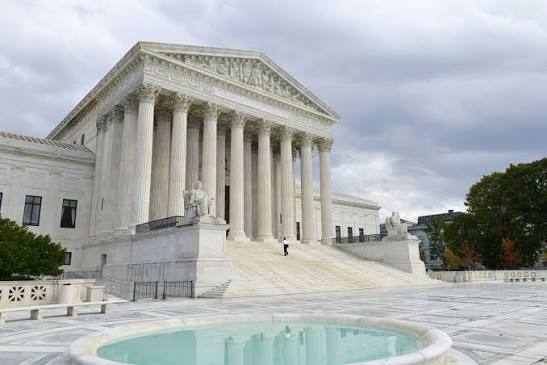
The United States Supreme Court has declined to issue a long anticipated ruling on legal challenges to President Donald Trump’s tariff policies, opting instead to release decisions on lower profile cases. The delay has extended political and economic uncertainty surrounding the administration’s trade agenda.
The tariff dispute centres on the president’s authority to impose sweeping import duties under national security provisions. Critics argue the measures overreach executive power and strain relations with key trading partners, while supporters say the tariffs protect domestic industries and national interests.
By postponing judgment, the court leaves existing tariffs in place for now, allowing the administration to continue enforcing them. Legal analysts say the decision signals internal caution among the justices on a politically sensitive issue with global economic implications.
The court’s move has drawn mixed reactions from lawmakers. Republican allies of the president welcomed the pause, describing it as a sign of judicial restraint. Democratic lawmakers criticised the delay, saying it prolongs economic instability for businesses and consumers.
The tariff question has become a central political flashpoint, influencing debates over inflation, manufacturing, and America’s role in global trade. Several industries have warned that prolonged uncertainty could disrupt supply chains and investment planning.
The White House maintains that the tariffs are lawful and necessary, expressing confidence that the court will ultimately uphold the president’s authority. Until then, economists say markets are likely to remain cautious as the legal and political battle continues.