
Kwankwaso Denies Defection Rumours, Details ADC Crisis and Ongoing Political Consultations
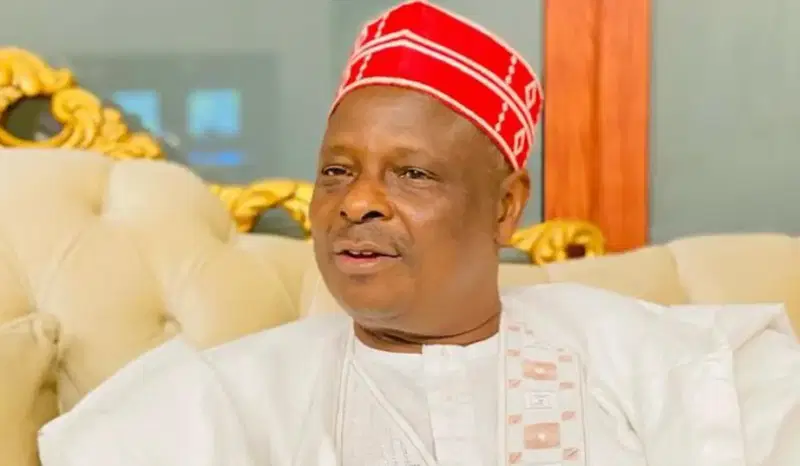
Former Kano State Governor, Rabiu Musa Kwankwaso, has issued a comprehensive clarification on his political position, firmly denying reports of an imminent defection from the African Democratic Congress (ADC) and outlining the deepening legal and structural challenges confronting the party.
In a detailed statement released amid rising speculation, Kwankwaso said narratives suggesting a concluded political realignment are inaccurate and premature. He stressed that neither he nor his political associates have taken any final decision regarding their future within or outside the ADC.
Legal Crisis Deepens Within ADC
Kwankwaso highlighted a series of judicial developments that have plunged the ADC into uncertainty. According to him, while the Supreme Court recently affirmed the legitimacy of the National Working Committee led by former Senate President David Mark, it simultaneously remitted the matter back to the High Court, leaving unresolved legal questions hanging over the party’s leadership structure.
He further disclosed that a Federal High Court has delivered a separate ruling nullifying the party’s recent national convention, thereby compounding internal instability. In an additional twist, the Attorney General of the Federation has reportedly filed an application seeking the deregistration of the ADC, a move stakeholders view as both unusual and politically consequential.
Echoes of NNPP Exit
Drawing parallels with his previous political experience, Kwankwaso recalled his exit from the New Nigeria Peoples Party (NNPP), attributing that decision to externally influenced legal challenges that made continued participation untenable. He warned that the ADC now appears to be facing a similar trajectory, raising concerns among party leaders and members.
Broad-Based Consultations Underway
In response to the unfolding crisis, Kwankwaso confirmed that he and other key stakeholders have initiated wide-ranging consultations across the political spectrum. These engagements, he said, include discussions with leaders from the National Democratic Coalition (NDC), the Peoples Redemption Party (PRP), and other political blocs.
The objective of these consultations, he explained, is to explore viable pathways for protecting democratic interests and ensuring political stability in the face of ongoing institutional uncertainties. He assured that a definitive position would be announced once deliberations are concluded.
No Presidential Ambition Declared
Addressing speculations about a possible presidential bid, Kwankwaso categorically stated that he has neither declared his intention to contest nor endorsed any aspirant under the ADC or any other platform.
He noted that the ADC has yet to take a formal decision on zoning its presidential ticket or selecting a candidate, making ongoing speculations unfounded. Reaffirming his democratic credentials, Kwankwaso pointed to his track record of prioritizing party cohesion over personal ambition.
He cited his performance in the 2014 presidential primaries of the All Progressives Congress (APC), where he finished second behind former President Muhammadu Buhari, whom he subsequently supported to victory. He also referenced the 2019 Peoples Democratic Party (PDP) primaries, after which he backed Atiku Abubakar and served as a key campaign coordinator in the North.
Absence From Meetings Explained
Kwankwaso also addressed concerns over his absence from two recent ADC stakeholders’ meetings, explaining that unavoidable personal commitments prevented his attendance. He added that he formally communicated his apologies to the party leadership in advance.
Awaiting Final Decision
Concluding his statement, Kwankwaso emphasized that he remains actively engaged in political consultations and party affairs. He reiterated that any final decision regarding his political direction will be communicated through official channels at the appropriate time.
The development comes at a critical moment for the ADC, as legal battles, internal divisions, and external pressures continue to shape the party’s immediate future and its role in Nigeria’s evolving political landscape.