
Former Anambra State Governor Peter Obi has expressed concern over the difficult situation facing Nigerians abroad, saying many who experience xenophobic attacks in South Africa still prefer to remain there rather than return home due to worsening conditions in Nigeria.
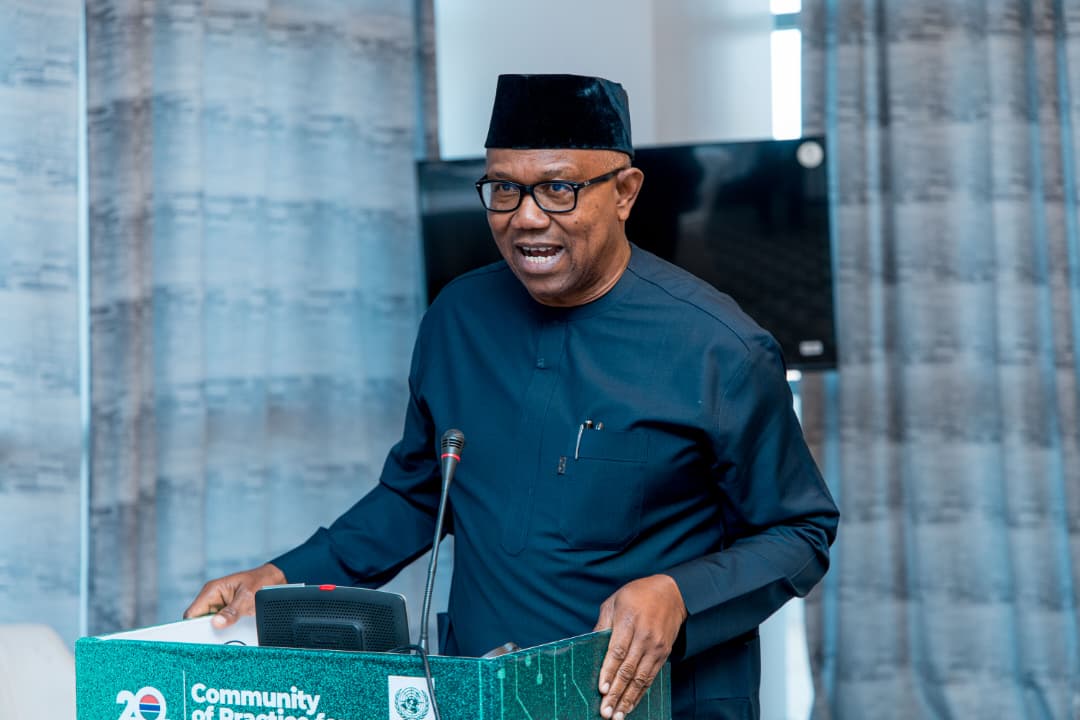
Obi made the remarks shortly after returning to the country while speaking at a dinner for NDC aspirants in Abuja on Monday. The statement was issued on Tuesday by the party’s media team.
He explained that even when arrangements were made to help stranded Nigerians return from South Africa, many declined the offer.
“I just came back last night from South Africa. You know what Nigerians are going through in South Africa and so many other African countries,” Obi said.
“I finally addressed Nigerians. I told them that if we had things working in our country the way they should be, most of you wouldn’t be here.”
He added, “If you don’t know, we provided facilities for them to come back. But most of them told me they would rather die there than come back. They said things are even worse at home.”
Obi said he also engaged political leaders and former South African President Thabo Mbeki in discussions aimed at improving relations between South Africans and other African nationals.
“I took time to sit down with three ministers who are leaders of their own parties to plead with them about how things can work between South Africans and other African nationals, and we had a very fruitful discussion,” he said.
The former governor also criticised the Federal Government, saying it had not done enough to support citizens facing hardship abroad.
“It is not only in South Africa that Nigerians have problems, but they have problems in other countries,” he said.
“I have had the opportunity to speak to leaders in those countries. I have had cause to ask them if our government has visited and the answer is no.”
He added, “If your country is not there for you, who will care for you? Is it an outsider?”
Obi also lamented Nigeria’s declining security situation despite its history in international peacekeeping.
“Nigeria played a role in securing nations since the Second World War. We have been part of peacekeeping and commanded United Nations peacekeeping forces globally,” he said.
“But today, Nigeria cannot secure itself. This is unacceptable.”
At the same event, NDC National Leader Seriake Dickson explained that electronic voting was not used for the primaries due to the need for further testing, despite the system being ready.
“After now, any other primary in the NDC for the next three months upward, and certainly by the next round of elections, every registered voter will start using their phone to vote,” Dickson said.
He added, “That is the direction that even the Nigerian general elections should be heading. And the NDC, as usual, will innovate and show the way in that area.”
Dickson also stated that the party was not designed as “a special purpose vehicle for any human being” but built on ideology and service.
Former NNPP Board of Trustees Secretary Buba Galadima also advised aspirants to remain committed to the party after internal contests.
“The time pushed on us by the APC government through the National Assembly is not a friend of the NDC,” he said.
“If you are about two to 17 aspirants in any constituency, you must bear in mind that only one of you can have the opportunity to fly the flag.”