

A fresh wave of political controversy has erupted ahead of the 2027 general elections after cleric Prophet Michael reportedly declared that anyone who votes for Bola Tinubu in 2027 “will die,” while attacking the current administration over insecurity, rising living costs and electricity challenges.
The statement, which has circulated widely online, comes at a time opposition politicians are intensifying coalition talks aimed at unseating the ruling All Progressives Congress in the next presidential election.
During the outburst, the cleric allegedly criticised the Tinubu administration for what he described as worsening economic hardship and insecurity across the country. He also claimed that he moves around with heavy police protection whenever he visits Nigeria because of safety concerns.
The comments have since triggered mixed reactions among netizens, with many questioning whether religious leaders should openly issue politically charged declarations, especially statements perceived as curses against voters.
Others have also raised concerns over the increasingly tense political atmosphere surrounding the emerging opposition coalition ahead of 2027.
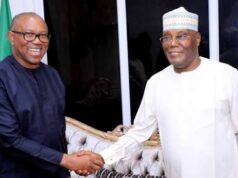
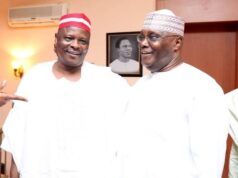
The opposition movement has witnessed several dramatic realignments in recent months. Peter Obi and Rabiu Kwankwaso recently dumped the African Democratic Congress after internal disagreements and legal disputes within the party.
The duo later aligned with the Nigerian Democratic Congress, a platform now attracting several opposition figures seeking a united front against the APC in 2027.
Former Vice President Atiku Abubakar has also reportedly obtained the NDC presidential nomination form, further fuelling speculations over intense negotiations and possible power sharing arrangements within the opposition camp.
Political observers say the opposition coalition still faces major questions over leadership, zoning and candidate selection, especially with several heavyweight politicians seeking influence within the new alliance.
Amid the unfolding permutations, attention has now shifted to the role of influential religious figures and whether public endorsements, prophecies and controversial statements could shape voter sentiment ahead of the elections.
Critics of Prophet Michael’s remarks argue that political disagreements should not descend into threats or pronouncements against citizens for exercising their democratic rights, regardless of party affiliation.
Supporters of the government, meanwhile, insist that despite current economic difficulties, reforms introduced by the Tinubu administration require more time to produce long term results.