

The New Nigeria Peoples Party (NNPP) has indicated plans to align with the African Democratic Congress (ADC) for the presidential election ahead of the 2027 general polls.
The party’s National Publicity Secretary, Ladipo Johnson, disclosed this during an appearance on The Morning Brief on Channels Television on Monday. He explained that while the NNPP would continue to field candidates across various levels, it would collaborate with the ADC in the presidential race and possibly some national contests.
Johnson noted that the party remains committed to participating in future elections despite the exit of its 2023 presidential candidate, Rabiu Kwankwaso. According to him, extensive consultations among opposition figures preceded Kwankwaso’s decision to join the ADC.
Dismissing concerns that Kwankwaso’s departure could weaken the party, Johnson said opposition leaders are acting in the broader interest of Nigerians. He added that the former Kano State governor is expected to formally register with the ADC in Kano.
He further explained that discussions among opposition stakeholders led to a consensus to unite under a common platform as a viable alternative ahead of 2027.
Kwankwaso’s move follows weeks of consultations involving leaders of the Kwankwasiyya movement and senior figures within the ADC, as part of efforts to build a strong coalition capable of challenging the ruling All Progressives Congress (APC).
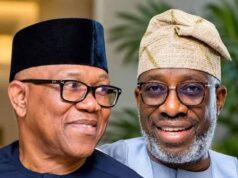
In recent weeks, the former governor has met with several prominent political figures, including ADC National Secretary Rauf Aregbesola, Labour Party’s 2023 presidential candidate Peter Obi, Oyo State Governor Seyi Makinde, and Bayelsa West senator Seriake Dickson.
Observers say the development reflects a broader opposition strategy to form a united front against the APC in the next general election.
The shift also comes amid a growing rift between Kwankwaso and Kano State Governor Abba Yusuf, his former ally. Yusuf recently defected to the APC along with several political figures, a move Kwankwaso criticised, describing it as a betrayal and a sign of deepening divisions within the Kwankwasiyya movement.