

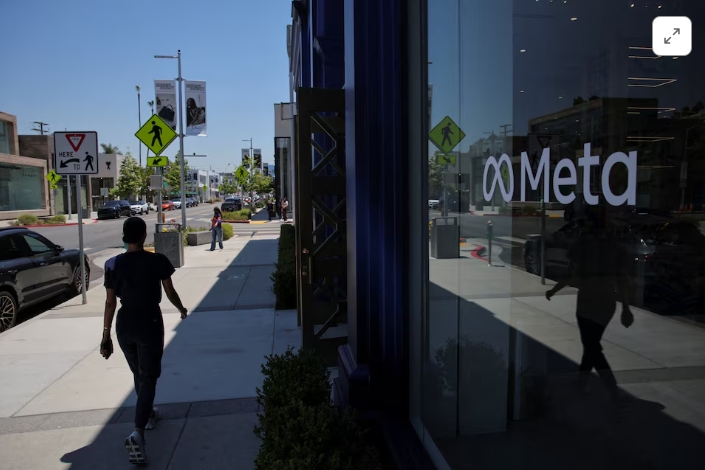
Meta Platforms (META.O) has agreed to pay up to $16.68 billion and introduce significant changes to Facebook and Instagram to settle allegations by U.S. states that the company deliberately designed the platforms to be addictive to children, misled users about their safety and improperly gathered children’s personal information.
The agreement settles claims filed by 29 U.S. states and brings to an end a federal trial that had become one of the most prominent legal examinations of allegations that social media platforms have harmed young users.
Under the settlement, Meta will introduce daily usage limits and restrict children’s nighttime access to Facebook and Instagram. The company will also strengthen safeguards aimed at preventing children from accessing age-restricted material.
Meta, which is headquartered in Menlo Park, California, denied wrongdoing as part of the settlement.
The agreement announced Wednesday also settles lawsuits filed by California, Illinois, New Mexico and Washington, D.C., concerning privacy violations linked to the Cambridge Analytica scandal. The consulting firm had obtained personal information belonging to millions of Facebook users. The four jurisdictions will receive $459.3 million under the settlement.
Meta shares gained 2.3% in early trading.
The cases form part of a much wider wave of lawsuits filed by states, local authorities, school districts and individuals accusing Meta and other social media companies of contributing to a nationwide mental health crisis among young people.
The federal trial in Oakland, California, involved allegations from California, Colorado, Kentucky and New Jersey that Meta breached state consumer protection laws.
The proceedings also involved claims from 29 states that Meta violated the federal Children’s Online Privacy Protection Act by collecting personal information from users it knew were children without notifying or obtaining consent from their parents. The states also alleged that the company used the information to train machine learning and generative AI systems.
Meta has consistently maintained that it could not have deceived consumers about the addictive nature of its services because “social media addiction” is not formally recognised as a psychiatric disorder.
Ahead of the trial, which began on August 18, Meta said California, Colorado, Kentucky and New Jersey were seeking as much as $1.4 trillion in penalties. The states indicated that the eventual figure would be closer to $200 billion.
A MENTAL HEALTH CRISIS
Meta, Snapchat and its parent company Snap (SNAP.N), YouTube and its parent Alphabet (GOOGL.O), and TikTok and its parent company ByteDance continue to face thousands of lawsuits in federal and state courts. The cases accuse the companies of knowingly developing features intended to keep children and teenagers addicted to their platforms, contributing to a broader mental health crisis.
A separate trial in Nashville over allegations brought by Tennessee against Meta began last month.
The federal cases were consolidated before U.S. District Judge Yvonne Gonzalez Rogers in Oakland and include lawsuits filed by individuals, school districts and state governments.
Earlier this year, Meta suffered defeats in both stages of a major lawsuit brought by New Mexico. In March, a jury ordered the company to pay $375 million after finding that it had misled consumers about the safety of its platforms. On August 6, a judge ruled that Meta had created a public nuisance and ordered the company to pay another $567 million while implementing additional measures to protect young users.
Also in March, the first trial involving an individual’s claims against Meta and Google ended in favour of the plaintiff. A Los Angeles jury found the companies responsible for plaintiff Kaley G.M.’s depression and anxiety and ordered them to pay a combined $6 million in damages.